 Midstream
Feeling out of sync in your relationship? Why couples drift apart and how to row back together
Why couples drift apart without a single big event, the quiet signs you are out of sync, and small, regular steps that bring you back in rhythm.
Why do couples drift apart?
Most couples who come to counselling cannot point to one moment where things went wrong. More often there has been a slow drift: busy weeks, small misunderstandings left unspoken, and less time simply enjoying each other.
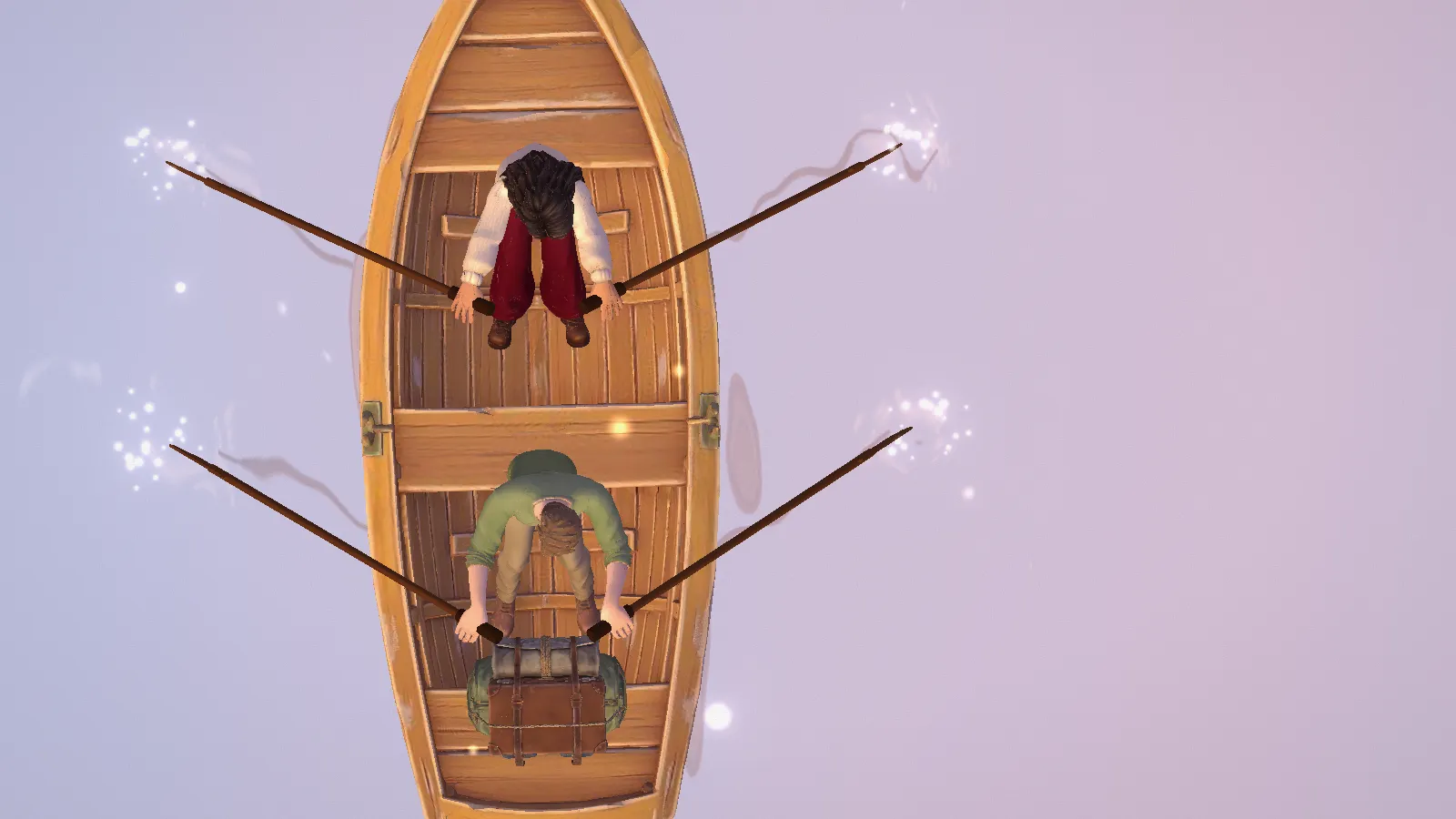
Think of two people rowing a boat. When they pull together, the boat glides. When one speeds up, the other slows down or they stop checking direction, the boat starts to zigzag. Nobody is rowing badly on purpose. Drift is what happens when two people keep rowing without checking they are heading the same way.
Common currents that pull couples off course:
- A new baby, a move, a new job or caring for an ageing parent.
- Long stretches of running the household like a business, with logistics replacing conversation.
- Different stress responses: one partner wants to talk, the other needs space.
- Phones and screens filling the gaps where small talk used to happen.
- Unresolved hurts that make it feel safer to keep a little distance.
- Changes in health, mood or anxiety that one partner hasn't fully shared.
What does being out of sync feel like?
It can be hard to name, because nothing is obviously wrong. You might notice:
- Conversations are mostly about who is picking up the kids or paying the bills.
- You go to bed at different times and rarely touch outside of habit.
- You feel lonely while sitting on the same couch.
- Small irritations land harder than they used to.
- You tell a friend about your day before you tell your partner.
- When something good happens, you are not sure your partner will be interested.
If several of these sound familiar, you are not alone, and it doesn't mean the relationship is over. It means your rhythm needs attention. If the distance feels deeper or longer-standing, our article on emotional distance in relationships goes further.
How do you start rebuilding connection in a relationship?
The good news is that the same small, regular effort that let you drift can bring you back. Big gestures are lovely, but rhythm is built in small strokes repeated often.
Try a ten-minute check-in. Try a ten-minute check-in this week. Sit somewhere without screens and take turns sharing: one thing that went well, one thing that was hard, and one thing you would like from each other. Listen without fixing. Notice what changes. Repeat it once or twice a week for a month before deciding whether it works.
Turn towards small bids. Research by John Gottman on couples describes "bids": small attempts to connect, such as pointing out something funny, sighing or asking a question. Turning towards a bid, even briefly, builds closeness over time. This week, try to notice your partner's bids and respond, even with just "tell me more".
Find one shared stroke. Choose one small thing you do together that is not about chores or children. A walk around the block after dinner, coffee on Saturday morning or cooking one meal together each week. Keep it simple enough that it survives a busy week.
Name the drift without blame. Opening line ideas: "I miss us. Can we find a bit more time together?" or "I've noticed we've been running on autopilot. How are you feeling about us?" Starting with "I" and with what you miss tends to invite your partner in, rather than putting them on the defensive.
When should you get help with feeling out of sync?
Consider counselling if you have tried to reconnect and keep sliding back, if conversations about the distance turn into arguments that escalate, if intimacy has faded and is hard to talk about, or if one of you is quietly wondering whether to stay. Coming earlier usually makes the work easier. A counsellor can help you see the pattern from the outside and practise new ways of moving together.
Getting back in rhythm with Midstream Counselling
At Midstream Counselling in Doncaster VIC, Elena Basova works with couples who feel they are drifting, as well as individuals who want to understand their part in the pattern. Sessions are at 450 Doncaster Road, about 20 minutes from Melbourne's CBD, or online anywhere in Australia. You can read more about couples counselling or what happens in a first session. No referral is needed.
Frequently asked questions
Is it normal for couples to drift apart?
Yes. Most long-term couples go through periods of feeling out of sync, especially during big life changes or long stretches of stress. Drift is a signal to give the relationship attention, not proof that it has failed.
Can you fall back in sync after years of distance?
Often, yes, especially when both partners are willing to try. Small, regular habits of connection rebuild rhythm over time, and counselling can help when old hurts or patterns keep pulling you apart.
What if only one of us feels out of sync?
That is common, and it is still worth talking about. Share what you've noticed using "I" statements, and if it is hard to discuss, individual or joint counselling can give you a calmer space to start.
How long does it take to rebuild connection in a relationship?
There is no set timeline. Many couples notice small shifts within a few weeks of regular check-ins, while deeper distance usually takes longer and benefits from support.